
As our beloved pets age, changes in their behavior, energy levels, and appearance become more noticeable. One of the most common concerns among pet owners is hair loss in senior pets . While some degree of fur thinning is natural with age, excessive shedding or bald patches may signal underlying health issues.
Common Causes of Hair Loss in Senior Pets
1. Normal Aging: Aging naturally slows down cell regeneration and can lead to a thinner, duller coat. It’s not unusual for older pets to lose hair gradually, especially around pressure points or areas they frequently lick or scratch.
2. Hormonal Imbalances: Conditions like hypothyroidism in dogs or hyperthyroidism in cats can cause significant hair loss. Cushing’s disease and diabetes are also common in older pets and often present with coat thinning or patchy fur.
3. Skin Conditions: Senior pets are more susceptible to allergies, dermatitis, or infections . Fungal infections (like ringworm), bacterial issues, or even mange mites can contribute to hair loss and skin irritation.
4. Nutritional Deficiencies: Older pets often need a diet adjusted to their changing metabolism. A lack of essential fatty acids, vitamins, or protein can lead to poor coat quality and shedding.
5. Stress or Anxiety: Just like people, pets can experience stress as they age. Changes in routine, new environments, or declining senses can lead to anxiety, resulting in over-grooming or compulsive licking—both of which can cause fur loss.
6. Tumors or Growths: In some cases, lumps or skin tumors may disrupt hair growth. These should be examined by a vet as they could be benign or indicate something more serious.
How to Care for a Senior Pet Experiencing Hair Loss
- Schedule a Vet Visit: Always rule out medical conditions first. Early detection of hormonal or systemic issues can greatly improve your pet’s quality of life.
- Improve Nutrition: Feed a balanced, senior-specific diet rich in omega-3 fatty acids to support coat health.
- Keep Skin Moisturized: Use gentle, vet-approved shampoos and consider topical treatments if dryness or flakiness is present.
- Reduce Stress: Maintain a stable environment, provide gentle interaction, and create a routine to comfort your aging pet.
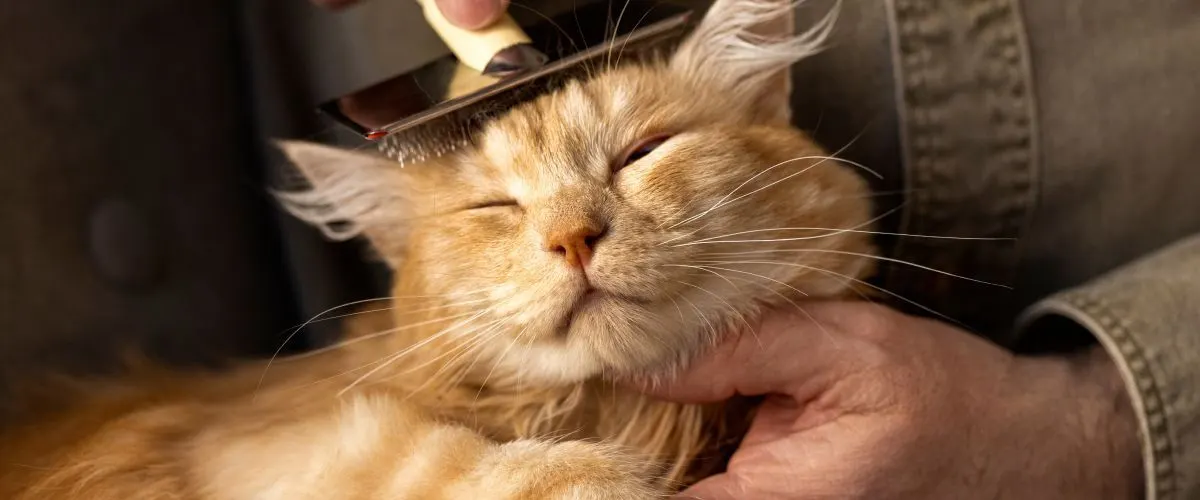
- Groom Regularly: Brushing stimulates natural oil production, improves blood flow to the skin, and helps monitor for changes.
When to Seek Veterinary Help
You should consult your veterinarian if you notice:
- Sudden or severe hair loss
- Red, inflamed, or scaly skin
- Lumps, sores, or bad odors
- Excessive scratching or licking
These could indicate a medical condition that requires prompt treatment.
Conclusion
Hair loss in senior pets can be a natural part of aging or a sign of something more serious. Staying observant, providing high-quality nutrition, and seeking veterinary guidance when needed are essential steps to ensure your pet ages comfortably and healthily. With the right care, your furry friend can continue to live their golden years with dignity and comfort.